Spinal Endoscope & Minimally Invasive Surgical Instruments Manufacturer | QuNaMai
Wishlist

{{ variable.name }}


Structural features and advantages
Size and shape
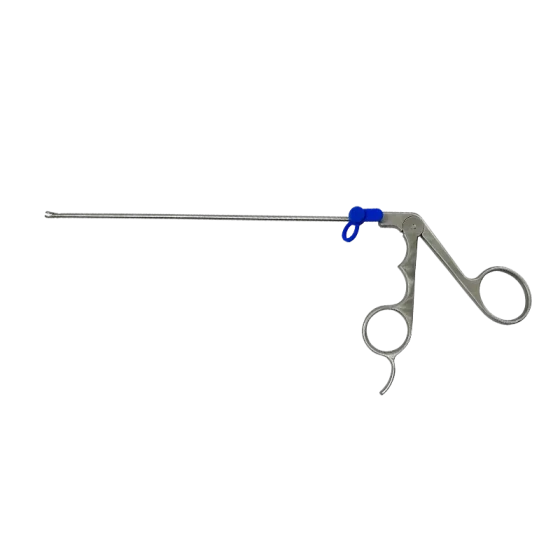
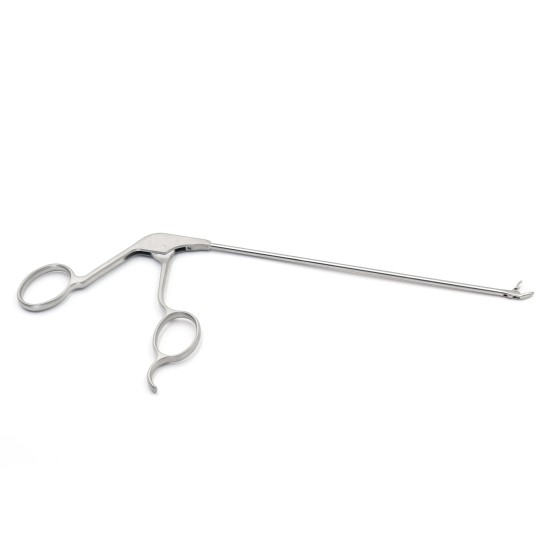
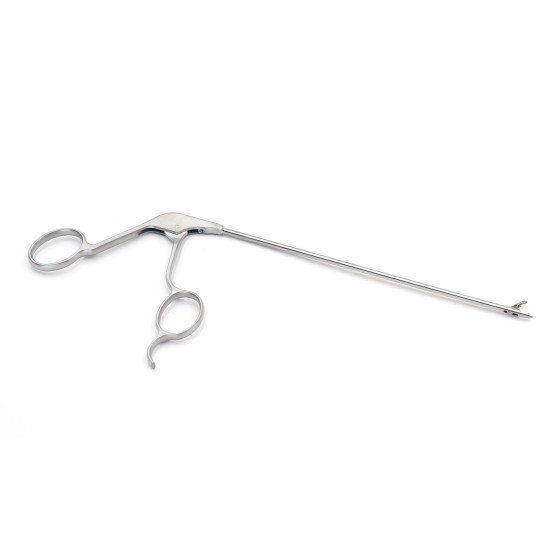
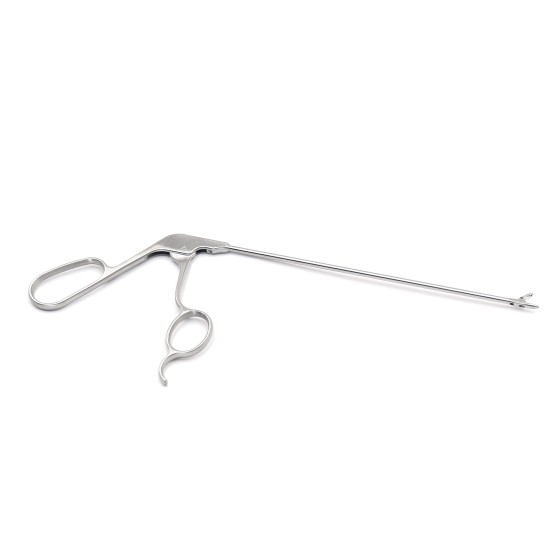
The 3MM diameter design enables the nucleus pulposus forceps to smoothly pass through the UBE surgical channel. The 180MM length provides sufficient operating distance, and the round head design can prevent damage to sensitive tissues such as nerves and blood vessels during operation. The straight type has an upward curve of 45 degrees and 35 degrees, making the nucleus pulposus forceps more adaptable to the complex anatomical structure of the spine. For instance, in the intervertebral Spaces of the cervical and lumbar vertebrae, these bends can help the nucleus pulposus forceps better reach hard-to-reach areas, especially at the edges of the intervertebral Spaces or in parts of the spine where there are physiological bends. Bowl mouth
"Design"
The bowl opening design increases the contact area with the nucleus pulposus tissue, which can better fit the shape of the nucleus pulposus and thus enable more effective grasping of the nucleus pulposus. This design is particularly effective for grasping irregularly shaped and relatively soft nucleus pulposus tissue, holding the nucleus pulposus like a "small spoon" and reducing the risk of the nucleus pulposus slipping during the grasping process.
Shear performance
The shearing performance makes the nucleus pulposus forceps more widely used. During surgery, they can not only grasp the nucleus pulposus but also cut adhered tissues, fibrous cords, etc. In complex surgical scenarios, such as when the nucleus pulposus is severely adhered to the surrounding tissues, the adhered part can be cut first, and then the nucleus pulposus can be grasped, making the surgical operation smoother.
Application scenarios of UBE surgery
Removal of the nucleus pulposus of the intervertebral disc
This is the main application scenario of UBE surgery for treating intervertebral disc protrusion. After determining the protruding part of the nucleus pulposus through endoscopy, the bending Angle of the nucleus pulposus forceps is used to smoothly bypass other tissues and reach the target position within the intervertebral space. The bowl-shaped opening design can wrap around and grasp the protruding nucleus pulposus. When the nucleus pulposus adheres to the annulus fibrosus or other tissues, the adhered parts are cut off by taking advantage of the shearing property, thereby removing the nucleus pulposus from the intervertebral disc to reduce the compression on the nerves and relieve the patient's symptoms of nerve compression such as pain and numbness. "Clean
Surgical area
It can effectively clear free nucleus pulposus fragments, degenerated annulus fibrosus tissue, inflammatory granulation tissue, etc. within the surgical area. The bending Angle helps to search for debris in the complex space within the spinal canal or around the intervertebral disc. The bowl-shaped design facilitates precise grasping. Its shearing performance can handle larger or adhered tissue blocks, keeping the surgical area clean and preventing further compression or damage to the nerves and spinal cord caused by diseased tissues.
Tissue separation and exploration assistance
During the operation, the bending Angle, bowl-shaped design and shearing performance can be utilized to assist in tissue separation. For instance, when searching for the nucleus pulposus hidden behind other tissues or distinguishing normal tissues from diseased ones, the bending head can be used to gently move and shear the tissue to assist in exploration. It can also be used in tissue repair surgeries to clear the edges of damaged tissues and create favorable conditions for tissue healing.
Operation precautions and skills
Precautions for Operation
As this operation is performed under endoscopic visualization, it is essential to ensure a clear endoscopic field of view in order to accurately observe the relationship between the nucleus pulposus forceps and the surrounding tissues. During the insertion and operation process, always be careful to avoid damaging important tissues such as nerves and blood vessels. When using the cutting function, be extra careful to ensure that only the tissues that need to be processed are cut to avoid accidentally cutting important tissues. When opening and closing the nucleus pulposus forceps to grasp tissues, the force should be controlled to prevent excessive force from causing tissue tearing or damage to the nucleus pulposus forceps. Operation skills
"Insert
Technique: Based on the anatomical path shown by the endoscope and the structural characteristics of the surgical site, combined with the bending Angle of the nucleus pulposus forceps, insert at an appropriate Angle and direction. Taking advantage of the characteristics of the round head, insert it slowly along the natural anatomical gap or the established working channel to avoid forced insertion and damage to the surrounding tissues.
Scissor technique: When grasping the nucleus pulposus tissue, first gently bring the nucleus pulposus forceps close to the target tissue. Use the bending Angle and bowl-shaped design to fully insert the nucleus pulposus into the bowl shape. Then, adjust the grasping force appropriately according to the size and texture of the nucleus pulposus. When cutting is needed, accurately place the tissue to be cut at the cutting position of the pliers and gently apply pressure for cutting. During the operation, the position and operation method of the nucleus pulposus forceps should be flexibly adjusted in combination with the real-time observation of the endoscope to achieve the best surgical outcome.
| Surgical instruments | |
| Features | UBE-Cervical Spine-ULBD Surgery-Pliers with cutting function |

{{ item.content }}

{{ item.created_at_format }}
{{ item.reply }}
To find out more about our products and solutions, please fill out the form below and one of our experts will get back to you shortly.